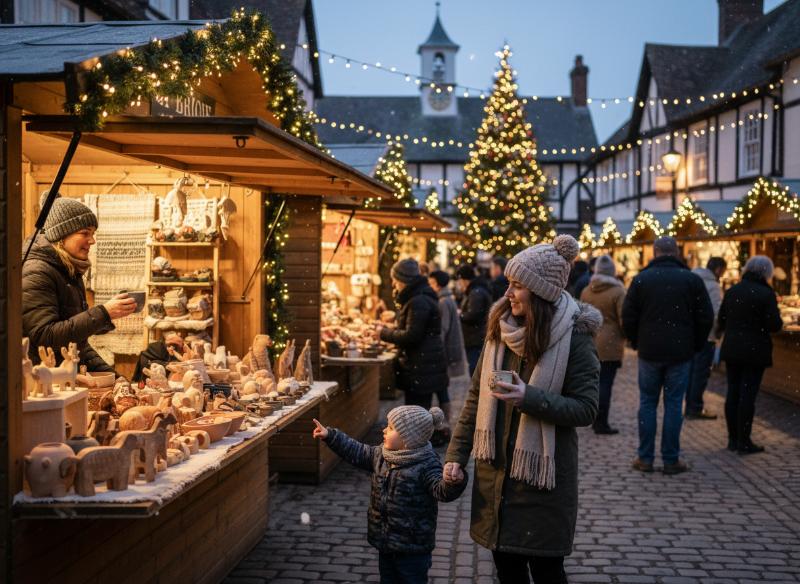

There’s something utterly enchanting about winter markets that no online shopping experience can replicate. The twinkling fairy lights strung between wooden stalls, the aroma of mulled wine and roasted chestnuts wafting through the crisp air, the sound of carollers in the distance—it’s a sensory experience that marks the true beginning of the festive season for our family.
Last weekend, Steve, our daughter, and I wrapped up warm and ventured to our local winter market in Kent. As we wandered through the stalls, my little one’s eyes widened with wonder at every turn, and I was reminded why these seasonal gatherings hold such a special place in my heart. Winter markets aren’t just about shopping; they’re about community, tradition, and discovering unique treasures you simply won’t find on the high street.
The Enduring Appeal of Winter Markets
In an age dominated by next-day delivery and online convenience, winter markets offer something increasingly rare: a tangible, human shopping experience. There’s a certain magic in speaking directly with the artisan who crafted the item you’re admiring, hearing the story behind a piece, and supporting local makers and small businesses.
Winter markets have deep roots in British tradition, harking back to medieval times when traders would gather to sell their wares before the harshest winter months set in. Today’s markets maintain that spirit of community whilst showcasing contemporary craftsmanship and seasonal delights.
For families, they provide a wonderful outing that combines entertainment, education, and shopping. My daughter is still talking about the “sparkly lights” and the friendly stall holder who let her ring a handmade bell. These are the memories that shape childhood and create lasting family traditions.
What You’ll Find at Winter Markets
The beauty of winter markets lies in their diversity. Each market has its own character, but certain elements remain wonderfully consistent across the country.
Handmade Crafts and Artisan Goods
This is where winter markets truly shine. You’ll discover items that simply don’t exist in mainstream retail—one-of-a-kind pieces created with skill, passion, and attention to detail.
Pottery and ceramics are always well-represented. I’ve found beautiful hand-thrown mugs, decorative bowls, and unique serving pieces that add character to our home. There’s something special about drinking your morning coffee from a mug you watched being made, knowing the potter’s hands shaped that very piece.
Textile crafts feature prominently too. Hand-knitted scarves, crocheted blankets, embroidered cushions, and felted decorations showcase traditional techniques that are experiencing a wonderful revival. As someone who runs a crochet group, I’m always drawn to these stalls, admiring the craftsmanship and often picking up new pattern ideas.
Jewellery makers display stunning pieces ranging from delicate silver work to bold statement necklaces. Unlike mass-produced jewellery, these pieces have personality and often incorporate unusual materials or techniques. I purchased a beautiful pair of earrings last year featuring tiny pressed flowers preserved in resin—they’re a conversation starter every time I wear them.
Woodwork stalls offer everything from practical chopping boards and utensils to decorative items and children’s toys. Steve has his eye on a handcrafted wooden phone stand this year, and we found a gorgeous wooden puzzle for our daughter that’s far more appealing than plastic alternatives.
Seasonal Food and Drink
Winter markets are a haven for food lovers. Artisan producers bring their finest seasonal offerings, and the quality is often exceptional.
Preserves and chutneys are winter market staples. Local producers create small-batch jams, marmalades, pickles, and relishes using traditional recipes and seasonal ingredients. I always stock up on cranberry and orange chutney—it’s become essential for our festive meals and makes wonderful gifts.
Baked goods tempt from every corner. Gingerbread in all its forms, stollen, mince pies, and speciality breads fill the air with irresistible aromas. Many bakers offer vegan options too, which I particularly appreciate. There’s nothing quite like a warm mince pie eaten whilst browsing the stalls on a cold evening.
Cheese and charcuterie stalls showcase regional specialities. Even as a vegan, I appreciate the craftsmanship involved, and many markets now feature excellent plant-based alternatives. Vegan cheese selections have improved dramatically in recent years, and winter markets often feature small producers experimenting with innovative flavours.
Chocolate and confectionery makers display their creations like edible art. Hand-made truffles, fudge, toffee, and seasonal chocolates make perfect gifts or personal treats. I’m particularly fond of salted caramel fudge—a small indulgence that makes cold winter evenings feel special.
Hot beverages keep visitors warm whilst they browse. Mulled wine, hot chocolate, spiced cider, and warming teas are served from cheerful stalls. Many now offer alcohol-free and dairy-free options, ensuring everyone can enjoy a warming cup whilst they shop.
Festive Decorations
Winter markets are treasure troves for those seeking unique decorations that tell a story rather than simply filling space.
Handmade wreaths crafted from fresh foliage, dried flowers, and natural materials are infinitely more beautiful than shop-bought alternatives. I commission a new wreath each year from a local maker who incorporates eucalyptus and winter berries—it’s become a family tradition to hang it together on the first of December.
Tree decorations range from traditional wooden ornaments to contemporary designs. Glass baubles, felt characters, ceramic decorations, and hand-painted pieces ensure your tree reflects your personal style. We’ve started a collection for our daughter, buying her one special decoration each year that she’ll eventually take to her own home.
Fairy lights and candle holders create ambience in any home. Artisans create beautiful holders from various materials—metal, wood, ceramic, and glass—each casting unique patterns when lit. I’m drawn to Scandinavian-inspired designs that work throughout winter, not just during the festive period.
Natural decorations like dried flower arrangements, pinecone displays, and botanical wreaths bring the outdoors in. These eco-friendly options decompose naturally and often smell wonderful too.
Gifts for Everyone
Winter markets solve the perennial problem of finding meaningful gifts for people who seem to have everything.
For children, wooden toys, handmade dolls, craft kits, and books from independent publishers offer alternatives to mass-market plastic toys. We found a beautiful wooden toy kitchen for our daughter last year that’s proven far more durable and engaging than cheaper alternatives.
Bath and beauty products made from natural ingredients are always popular. Handmade soaps, bath salts, body butters, and skincare items often use organic ingredients and come in plastic-free packaging. Natural soap gift sets make excellent presents for teachers, neighbours, and colleagues.
For the home, you’ll find everything from scented candles and reed diffusers to cushions, throws, and artwork. I love discovering prints from local artists—they’re affordable, unique, and support creative talent in our community.
Stationery lovers will find beautiful notebooks, greeting cards, calendars, and planners. As someone who still prefers paper planning, I always pick up a new planner or journal for the coming year, along with cards for various occasions.
Tips for Making the Most of Winter Markets
After years of winter market visits, I’ve learnt a few strategies that enhance the experience.
Timing is Everything
Arrive early if you want first pick of popular items and a less crowded experience. However, visiting later in the day offers its own magic—the lights are more atmospheric, and some stallholders offer discounts as closing time approaches.
Weekday visits tend to be quieter than weekends, making them ideal if you’re bringing young children or prefer a more relaxed browsing experience. We’ve found that late afternoon on a Thursday is perfect—our daughter is well-rested, the crowds are manageable, and we can enjoy the twinkling lights as dusk falls.
Dress Appropriately
This sounds obvious, but proper clothing makes an enormous difference to your enjoyment. Layer up, wear comfortable waterproof boots, and don’t forget hats and gloves. Markets are often outdoors or in partially covered spaces, so you’ll be exposed to the elements.
For children, ensure they’re warm but not so bundled up that they can’t move comfortably. Our daughter wears her favourite woolly hat and insulated winter boots that keep her feet warm and dry even if she steps in puddles.
Bring Cash
Whilst many stallholders now accept card payments, cash remains king at winter markets. Some smaller vendors operate on a cash-only basis, and having notes and coins means you won’t miss out on that perfect item because of payment limitations.
I withdraw cash specifically for market visits and keep it in a separate purse. This also helps with budgeting—when the cash is gone, the shopping stops.
Take Your Time
Don’t rush through the market. Part of the magic lies in wandering, chatting with makers, and discovering unexpected treasures. Some of my favourite purchases have been items I wasn’t looking for but couldn’t resist once I’d heard their story.
If you’re with young children, build in time for breaks. Most markets have seating areas and food stalls where you can rest, warm up, and refuel. Our daughter particularly enjoys watching other families and listening to any entertainment whilst munching on a snack.
Support Small Businesses
Remember that you’re supporting real people and their livelihoods. These aren’t faceless corporations but individuals who’ve poured time, skill, and passion into their products. Don’t haggle aggressively—prices reflect the true cost of handmade goods and the maker’s expertise.
If you love something but can’t afford it immediately, ask if the maker has a website or social media presence. Many artisans sell online too, allowing you to purchase later whilst still supporting their business.
Bring Reusable Bags
Many stallholders provide minimal packaging to reduce waste, so bring your own reusable shopping bags. I carry several different sizes—small ones for delicate items and larger totes for bulkier purchases. This is both practical and environmentally responsible.
Creating Family Traditions
Winter markets offer wonderful opportunities for establishing family traditions that children will remember long into adulthood.
We’ve made visiting our local market an annual event, always going on the first Saturday it opens. Our daughter now associates this outing with the start of the festive season, and I can already see how excited she gets as the date approaches.
We’ve also started a tradition of each choosing one special decoration for our home. Steve tends towards practical items like candle holders, I gravitate towards wreaths and natural decorations, and our daughter picks something sparkly that catches her eye. These items become more meaningful each year as they accumulate memories.
Taking photographs at the market creates a visual record of your family’s growth and changing interests. Looking back at pictures from previous years shows how much our daughter has grown and how our tastes have evolved.
Beyond the Shopping
Whilst shopping is certainly a draw, winter markets offer so much more. They’re social occasions where you’ll bump into neighbours, catch up with friends, and feel connected to your community.
Many markets feature entertainment—choirs, musicians, storytellers, and performers who add to the festive atmosphere. Our daughter was mesmerised by a brass band playing carols last year, and we stayed far longer than planned simply enjoying the music and ambience.
For children, markets often include activities like craft workshops, face painting, or visits with Father Christmas. These experiences create magical memories that transcend any physical purchases.
Markets also offer education. Children see where products come from, meet the people who make them, and learn about different crafts and skills. It’s a gentle lesson in supporting local businesses and valuing quality over quantity.
Sustainable Shopping
As someone committed to reducing environmental impact, I appreciate that winter markets align with sustainable shopping principles.
Buying handmade items supports a circular economy and reduces reliance on mass production. Items are typically made to last, using quality materials and traditional techniques that ensure longevity.
Many makers prioritise sustainability, using reclaimed materials, natural ingredients, and minimal packaging. It’s worth asking stallholders about their practices—most are happy to discuss their approach and often share fascinating insights into their craft.
Purchasing locally reduces transportation emissions and supports your regional economy. The money you spend at winter markets stays within your community, benefiting local families and businesses.
Planning Your Visit
Most towns and cities across the UK host winter markets, each with its own character and specialities. Research what’s available in your area—local tourism websites, social media, and community noticeboards are excellent resources.
Larger cities often host multiple markets throughout the winter season. London, Manchester, Birmingham, and Edinburgh are famous for their extensive markets, but smaller towns and villages offer equally charming experiences with a more intimate atmosphere.
Check opening dates and times carefully. Some markets run throughout December, whilst others operate only on specific weekends. Weather can affect opening times too, so verify before travelling, especially if you’re making a special journey.
Final Thoughts
Winter markets represent everything I love about this season—community, craftsmanship, tradition, and magic. They remind us to slow down, appreciate quality over quantity, and support the talented makers in our midst.
As we navigate an increasingly digital world, these tangible, sensory experiences become ever more precious. There’s profound joy in holding a handcrafted item, knowing its story, and meeting the person who created it.
This winter, I encourage you to seek out your local market. Bring your family, take your time, and allow yourself to be enchanted. You’ll likely come home with bags full of treasures, but more importantly, you’ll carry memories of twinkling lights, warm conversations, and the special magic that only winter markets can provide.
Steve has just reminded me that our local market opens next weekend, and our daughter is already planning which “sparkly things” she wants to see. I suspect we’ll come home with more than we intended, but that’s part of the charm. After all, winter markets aren’t just about what you buy—they’re about the experience, the atmosphere, and the joy of celebrating the season together.