
As the temperature drops and the Kent countryside transforms into a frosty wonderland, I find myself reaching for my favourite winter layers more than ever. There’s something wonderfully satisfying about mastering the art of winter dressing—staying cosy whilst looking put-together, whether I’m dropping my daughter off at nursery or meeting Steve for a weekend walk through the village.
Winter fashion layering isn’t just about piling on clothes until you resemble a marshmallow. It’s a strategic approach to dressing that keeps you warm, comfortable, and stylish throughout the coldest months. After years of trial and error (and more than a few fashion mishaps), I’ve learnt that successful layering is both an art and a science.
Why Layering Matters
Layering serves multiple purposes beyond simply keeping you warm. It allows you to adapt to fluctuating temperatures throughout the day—essential when you’re moving between heated indoor spaces and chilly outdoor environments. When you’re chasing a toddler around a soft play centre one moment and standing in a freezing car park the next, the ability to add or remove layers becomes invaluable.
Moreover, layering adds depth and visual interest to your outfits. It’s an opportunity to showcase your personal style through texture, colour, and proportion. A well-layered outfit can transform basic pieces into something special, making you feel confident and polished even on the dreariest winter days.
The Foundation: Base Layers
Every successful layered outfit starts with a solid base layer. This is the clothing closest to your skin, and its primary job is moisture management and warmth retention. I’ve found that investing in quality thermal underwear makes an enormous difference, especially on particularly cold days.
Look for base layers made from merino wool or synthetic moisture-wicking fabrics. These materials keep you warm without adding bulk, which is crucial when you’re building multiple layers. I prefer long-sleeved thermal tops in neutral colours like black, grey, or nude tones—they’re invisible under other clothing and work with everything in my wardrobe.
For bottoms, thermal leggings are a game-changer. They’re perfect under jeans or trousers, and my daughter thinks it’s hilarious when I tell her I’m wearing “secret warm tights” that no one can see. These small moments of connection make even mundane dressing routines feel special.
The Middle Layer: Insulation and Style
The middle layer is where you can really express your personal style whilst adding substantial warmth. This is typically where I incorporate chunky knit jumpers, cardigans, fleeces, or lightweight down vests.
Jumpers are my absolute go-to middle layer. I gravitate towards oversized cable knits in rich winter colours—burgundy, forest green, navy, and classic cream. The beauty of a quality jumper is its versatility. Paired with jeans for school runs, or dressed up with trousers and statement jewellery for a casual lunch, a good jumper works overtime in a winter wardrobe.
Cardigans deserve special mention because they offer flexibility that pullovers don’t. A long-line cashmere cardigan can be worn open for a relaxed look or belted at the waist for definition. Steve often jokes that I have a cardigan for every occasion, and honestly, he’s not wrong. They’re perfect for those transitional moments when you need just a bit more warmth without committing to a full coat.
For active days—like when we’re out cycling or exploring local nature reserves—I opt for a fleece or quilted gilet. These pieces provide core warmth without restricting movement, which is essential when you’re lifting a toddler in and out of a bike seat or bending down to examine interesting leaves and stones.
The Outer Layer: Protection from the Elements
Your outer layer is your shield against wind, rain, and cold. In the UK, where weather can be unpredictable even within a single day, choosing the right coat is crucial.
I’ve invested in several key outerwear pieces that serve different purposes. My everyday workhorse is a wool blend coat in a classic cut—it’s smart enough for any occasion yet practical for daily life. For particularly wet days, a waterproof parka with a hood is non-negotiable. There’s nothing worse than arriving somewhere with wet hair and a damp collar because you underestimated British weather.
Length matters when selecting coats. Longer coats provide more coverage and warmth, but they can be impractical if you’re constantly getting in and out of the car or crouching down to your child’s level. I’ve found that mid-thigh length offers the best balance—enough coverage to keep you warm without the fabric dragging on the ground or getting caught in car doors.
Puffer jackets and quilted coats have come a long way in terms of style. Modern designs are sleek and flattering rather than bulky. A well-fitted puffer coat in black or navy is incredibly versatile and provides excellent insulation without adding too much weight.
Accessories: The Finishing Touches
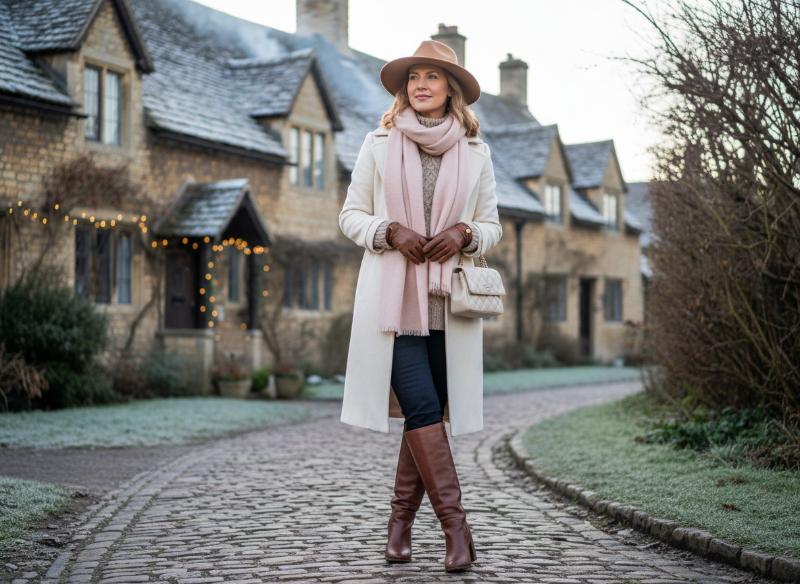
Never underestimate the power of accessories in winter layering. Scarves, hats, and gloves aren’t just functional—they’re opportunities to inject personality and colour into your outfits.
Scarves are perhaps the most versatile winter accessory. A large blanket scarf can double as a wrap when you’re indoors, whilst a silk scarf adds a touch of elegance under a coat collar. I’ve developed quite a collection over the years, and I love how a simple scarf change can completely transform an outfit’s mood.
Hats have taken on new importance since becoming a mum. My daughter insists on wearing her favourite woolly hat with the pom-pom, which means I need to set a good example by wearing mine too. I’ve embraced beanies, berets, and wide-brimmed felt hats depending on the occasion. They keep you remarkably warm—we lose significant heat through our heads—and they add a stylish finishing touch.
Gloves are essential, but finding ones that allow you to use your phone can be challenging. I recommend investing in touchscreen-compatible gloves so you’re not constantly removing them to check messages or take photos of your little one’s winter adventures.
Fabric Choices and Textures
The fabrics you choose significantly impact both warmth and style. Natural fibres like wool, cashmere, and cotton are excellent choices because they’re breathable and regulate temperature effectively. Wool, in particular, has remarkable insulating properties even when damp—a crucial consideration in the UK climate.
Mixing textures creates visual interest and depth. Pairing a smooth silk blouse with a chunky knit cardigan and structured wool coat creates a sophisticated, layered look. Don’t be afraid to combine different weights and textures—a lightweight turtleneck under a heavy cable knit creates both warmth and dimension.
Synthetic fabrics like fleece and technical materials have their place too, especially for active wear. They’re often more affordable than natural fibres and can provide excellent insulation and weather resistance.
Colour Coordination and Patterns
Layering multiple pieces could potentially create a chaotic look if colours and patterns clash. I’ve found that building a winter wardrobe around a cohesive colour palette makes mixing and matching much easier.
My core colours are navy, grey, black, cream, and burgundy. These neutrals form the foundation, and I add pops of colour through accessories or a statement middle layer. This approach ensures that everything in my wardrobe works together, making those rushed morning dressing sessions much less stressful.
When incorporating patterns, I follow the rule of one statement piece per outfit. If I’m wearing a patterned scarf, I keep the rest of my layers solid. Conversely, a bold printed jumper looks best with neutral outerwear and accessories.
Practical Tips for Real Life
Theory is wonderful, but practical application is what matters. Here are some lessons I’ve learnt through experience:
Avoid cotton base layers. Cotton absorbs moisture and stays wet, which will leave you feeling cold and clammy. This was a hard-learnt lesson during a particularly soggy family walk.
Consider your activities. If you’ll be mostly indoors, lighter layers work better. If you’re spending extended time outside, prioritise warmth over style—though ideally, you can achieve both.
Layer in odd numbers. Three or five layers typically look more balanced and intentional than two or four. This is more of a styling guideline than a hard rule, but I’ve found it holds true.
Pay attention to proportions. If you’re wearing a bulky jumper, balance it with streamlined trousers or jeans. Conversely, wide-leg trousers pair beautifully with a more fitted top layer.
Don’t forget about footwear. The best-layered outfit falls flat with inappropriate shoes. Invest in quality winter boots that are both warm and waterproof. I live in my knee-high leather boots throughout winter—they’re comfortable enough for all-day wear and smart enough for most occasions.
Layering for Different Body Types
Layering can be adapted to flatter any body shape. The key is understanding which silhouettes work best for you and choosing layers accordingly.
If you prefer a more defined waist, try belting cardigans or coats. This creates shape and prevents the “lost in layers” effect. For those who prefer a more relaxed fit, oversized pieces work beautifully when balanced with one more fitted layer—perhaps slim-fit jeans or leggings.
Vertical lines created by long cardigans, scarves, or open coats can elongate your silhouette. Conversely, horizontal layers and cropped pieces create visual width. Neither is better—it’s about what makes you feel confident and comfortable.
Sustainable Layering
As someone who cares deeply about sustainability, I try to approach winter layering with environmental consciousness. Investing in quality pieces that last multiple seasons is more sustainable than buying cheap items that need replacing annually.
I’ve also embraced second-hand shopping for winter layers. Charity shops and online resale platforms are treasure troves for quality wool coats, cashmere jumpers, and vintage scarves. Some of my favourite winter pieces have been pre-loved finds that have plenty of life left in them.
Proper care extends the life of your winter wardrobe. I’ve learnt to hand-wash delicate knits, properly store wool items with cedar blocks to prevent moths, and have coats professionally cleaned when needed. These small efforts mean my favourite pieces remain in rotation year after year.
Final Thoughts
Mastering winter fashion layering has transformed how I experience the colder months. Rather than dreading the cold and feeling frumpy in shapeless layers, I now look forward to creating cosy, stylish outfits that make me feel put-together regardless of the weather.
The key is experimentation. What works for me might not work for you, and that’s perfectly fine. Start with quality basics, gradually build your layering wardrobe, and don’t be afraid to try new combinations. Some of my best outfits have come from unexpected pairings that I initially wasn’t sure about.
Whether you’re navigating school runs, working from home, or enjoying winter walks through the countryside, thoughtful layering ensures you’re prepared for whatever the day brings. And when my daughter asks why I’m wearing “so many clothes,” I can honestly say it’s because I want to stay warm enough to build snowmen with her—and look good doing it.
Winter fashion doesn’t have to mean sacrificing style for warmth. With the right approach to layering, you can have both. Now if you’ll excuse me, Steve and I are taking our little one out to enjoy the crisp winter air, and I need to put all this layering theory into practice.